 KT Auto
Kinesio taping,
guided by AI.
KT Auto watches range-of-motion through the camera, cross-references it with your clinical read, and outputs the exact tape shape, tension and direction — sourced from a 236-page Kinesio Taping clinical reference.
0
Clinical tests & protocols
0
Taping outcomes encoded
0
Languages supported
0
Role-based dashboards
Workflow
From complaint to taping protocol in one session
The same sequence a CKTI already follows — screening, muscle assessment, taping, reassessment — just faster and documented automatically.
 1
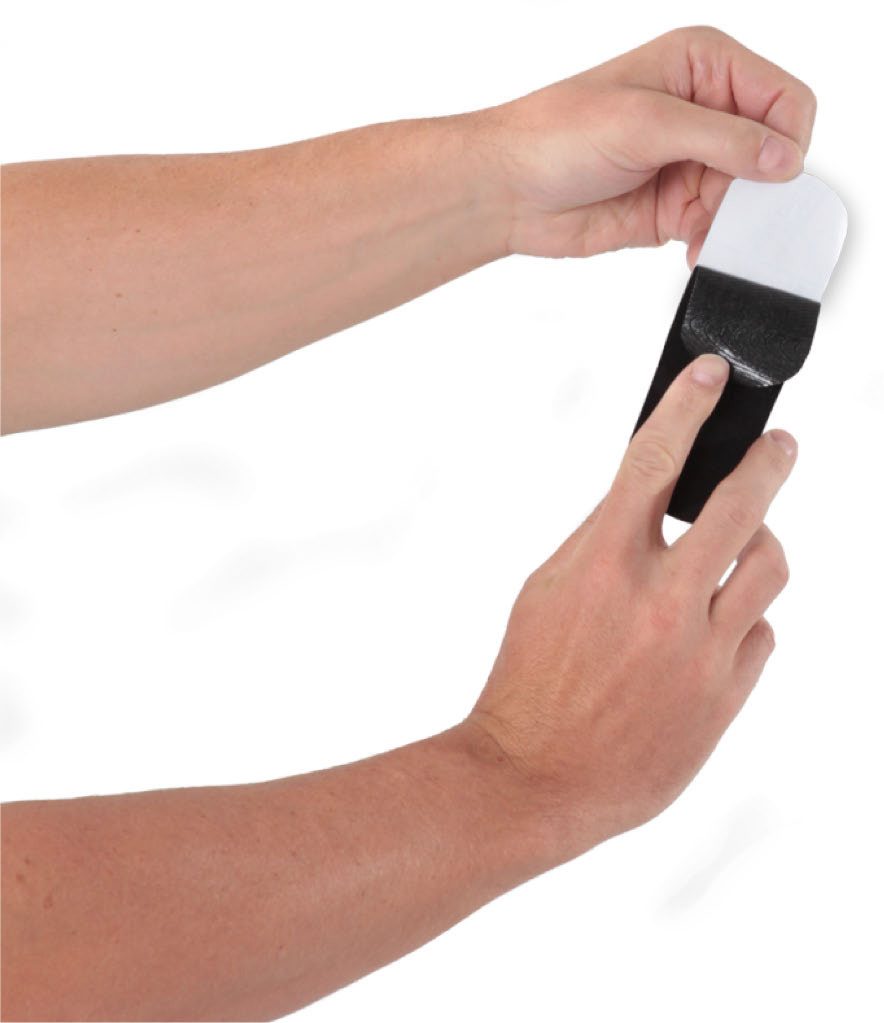
1Describe the complaint
The CKTI enters the patient's symptoms; the engine matches them against the encoded screening tests in seconds.
 2
2Track the movement
MediaPipe Pose measures joint angles live through any camera — front, rear or an external USB webcam — while the CKTI records qualitative findings.
 3
3Get the exact protocol
Shape, tension percentage, direction and patient positioning are generated from the rule set — ready to apply and to reassess afterward.
Built for the clinic
Everything a taping session needs, in one app
Real-time ROM tracking
MediaPipe Pose overlays joint angles on the live camera feed and flags restrictions against clinical thresholds.
Evidence-linked decision engine
Every recommendation traces back to a specific page and evidence level in the source clinical material — never a black box.
Three-role access model
Super Admins manage the rule set and CKTI accounts; CKTIs run evaluations; patients see only their own history.
Row-level security
Postgres RLS enforces every access boundary at the database layer, not just in the UI.
Six languages, one engine
English, Turkish, Japanese, Spanish, German and French — fully localized dashboards and reports.
Installable PWA
Add it to the home screen on a tablet in the treatment room; core screens keep working offline.
Clinical coverage
Encoded from neck to foot
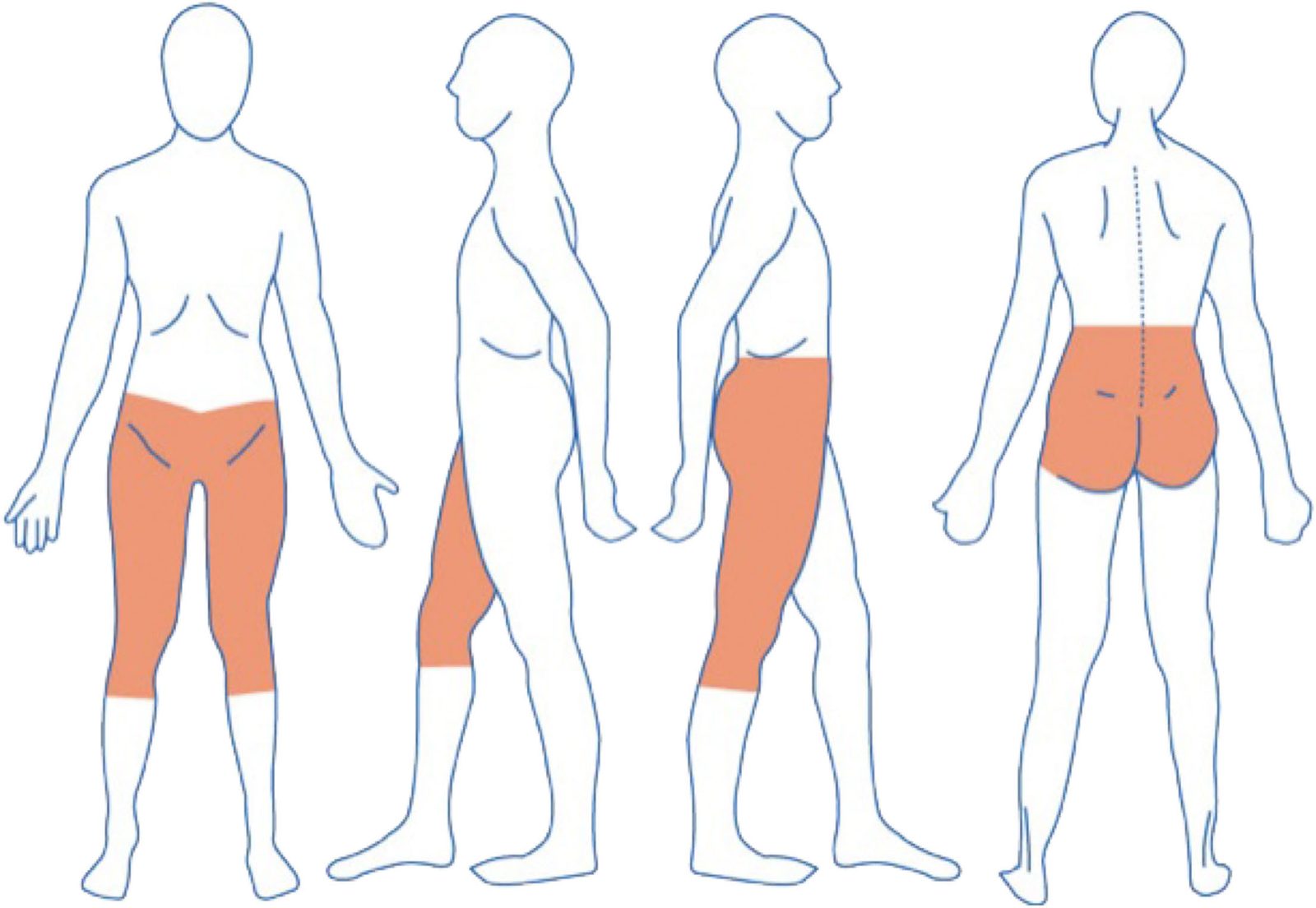
The rule set spans all six Kinesio Screening Assessment evaluations — cervical flexion & extension, pectoral girdle, trunk flexion, hip rotation, straight leg raise — plus targeted manual tests for tendons, ligaments, fascia and lymphatic response.
In practice
Taping shapes the engine already knows
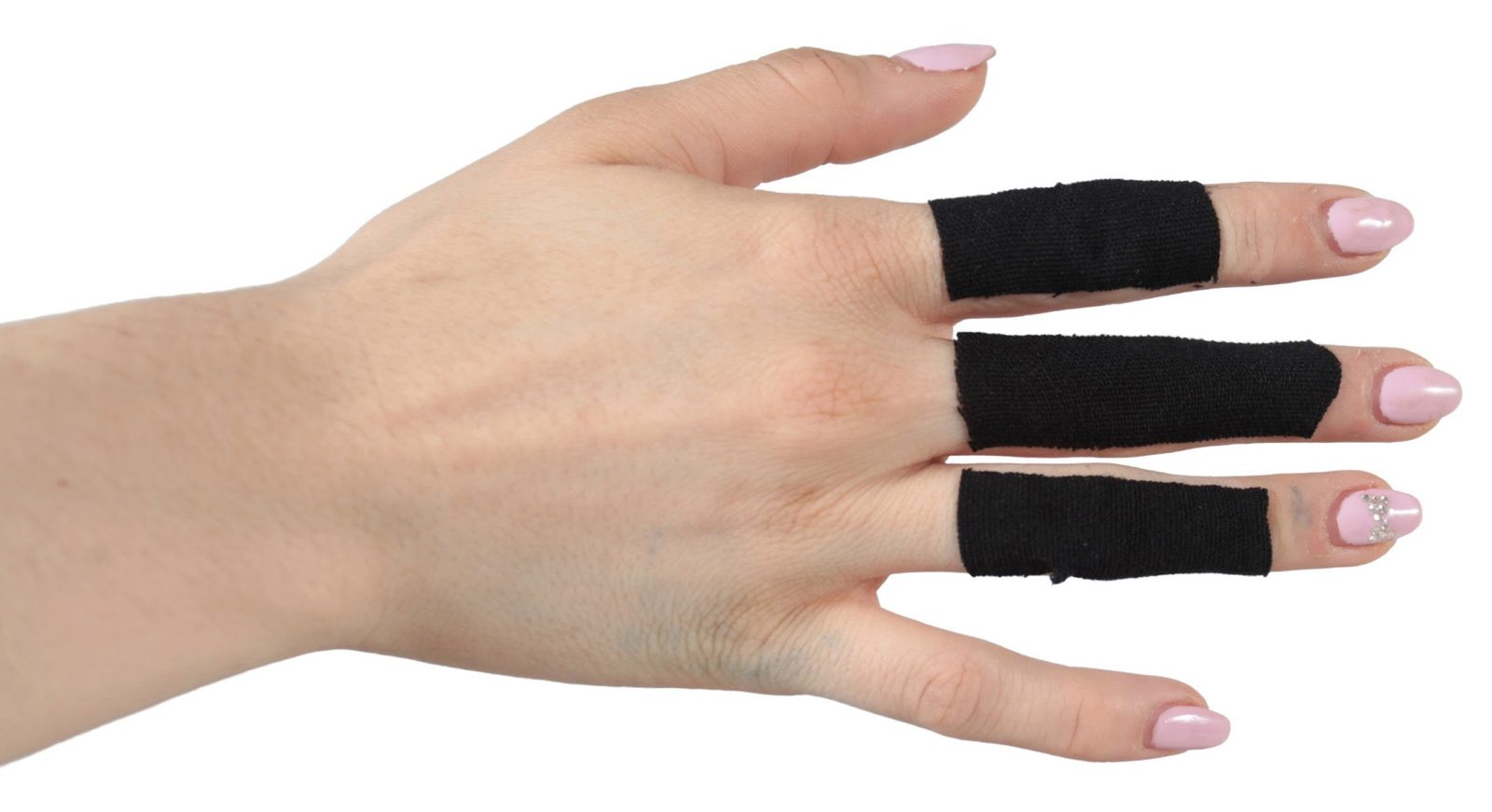
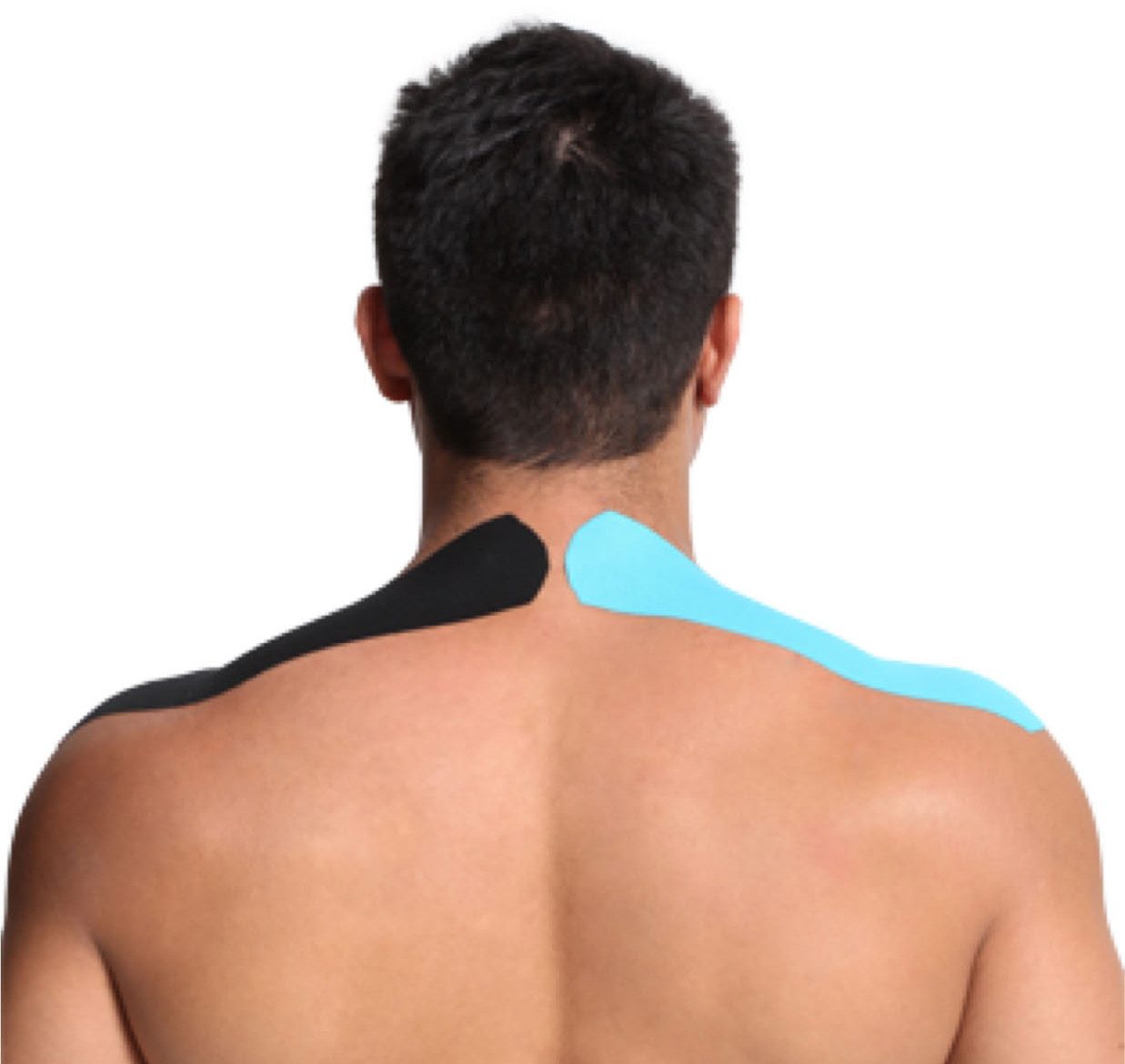
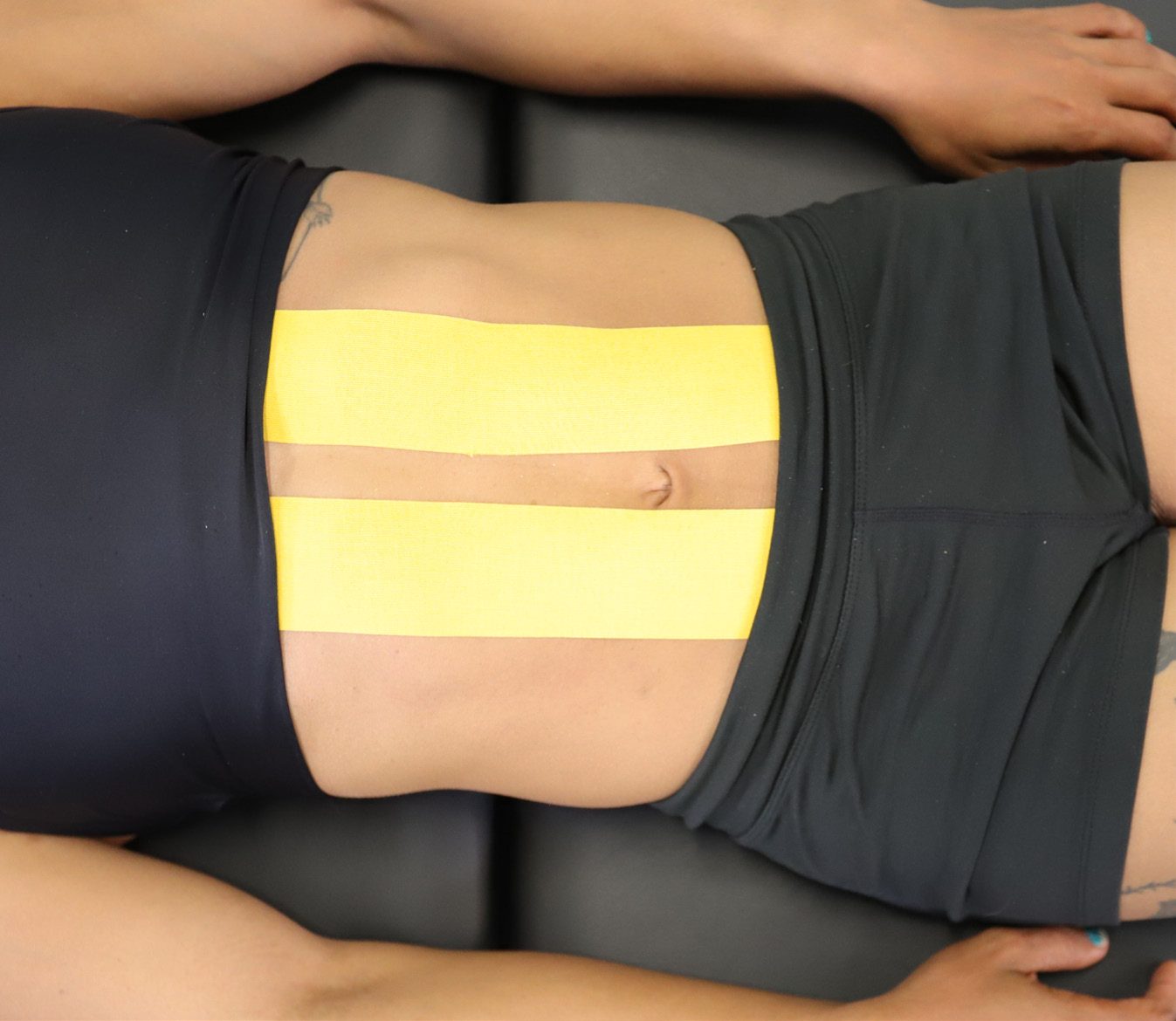
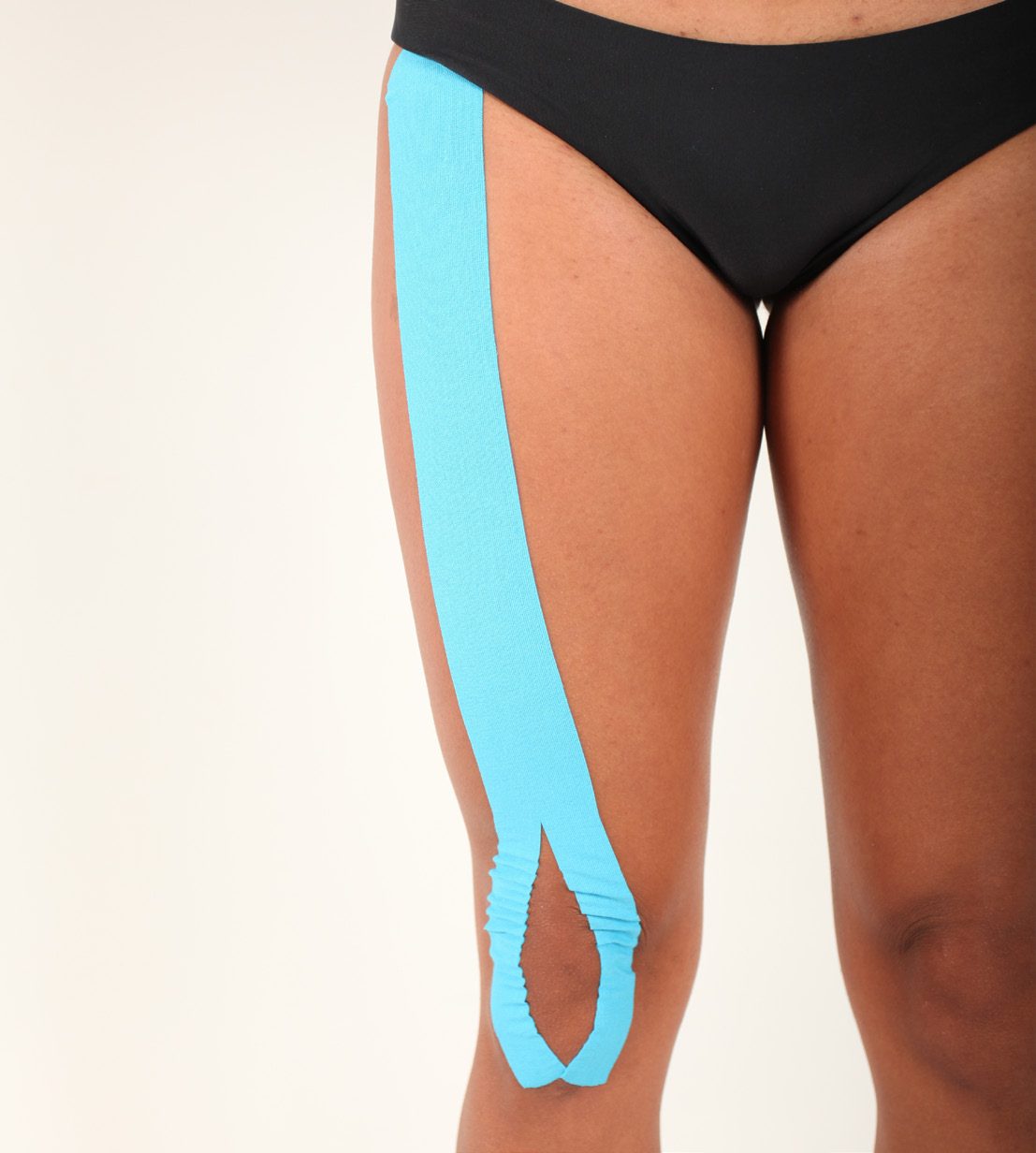
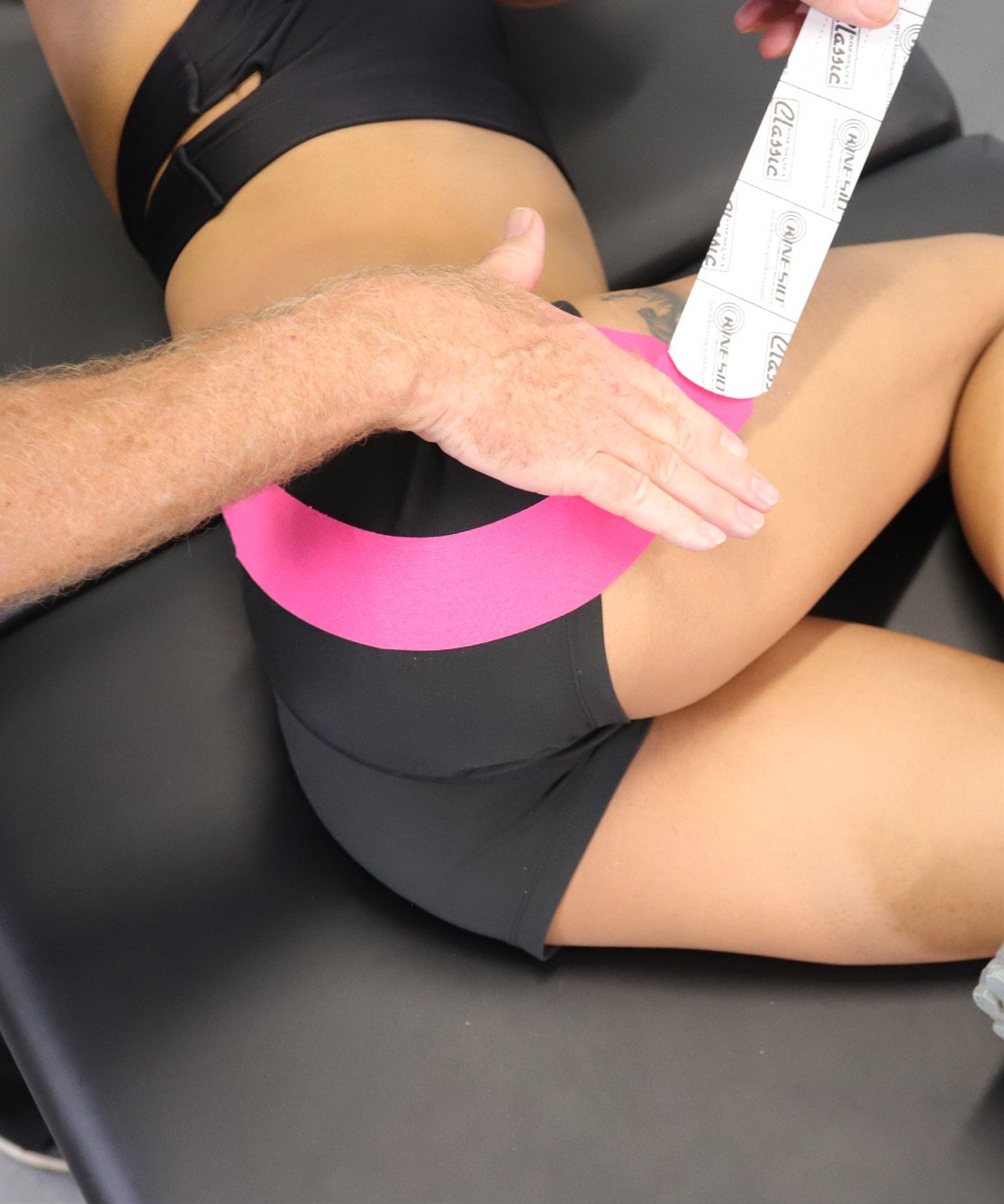
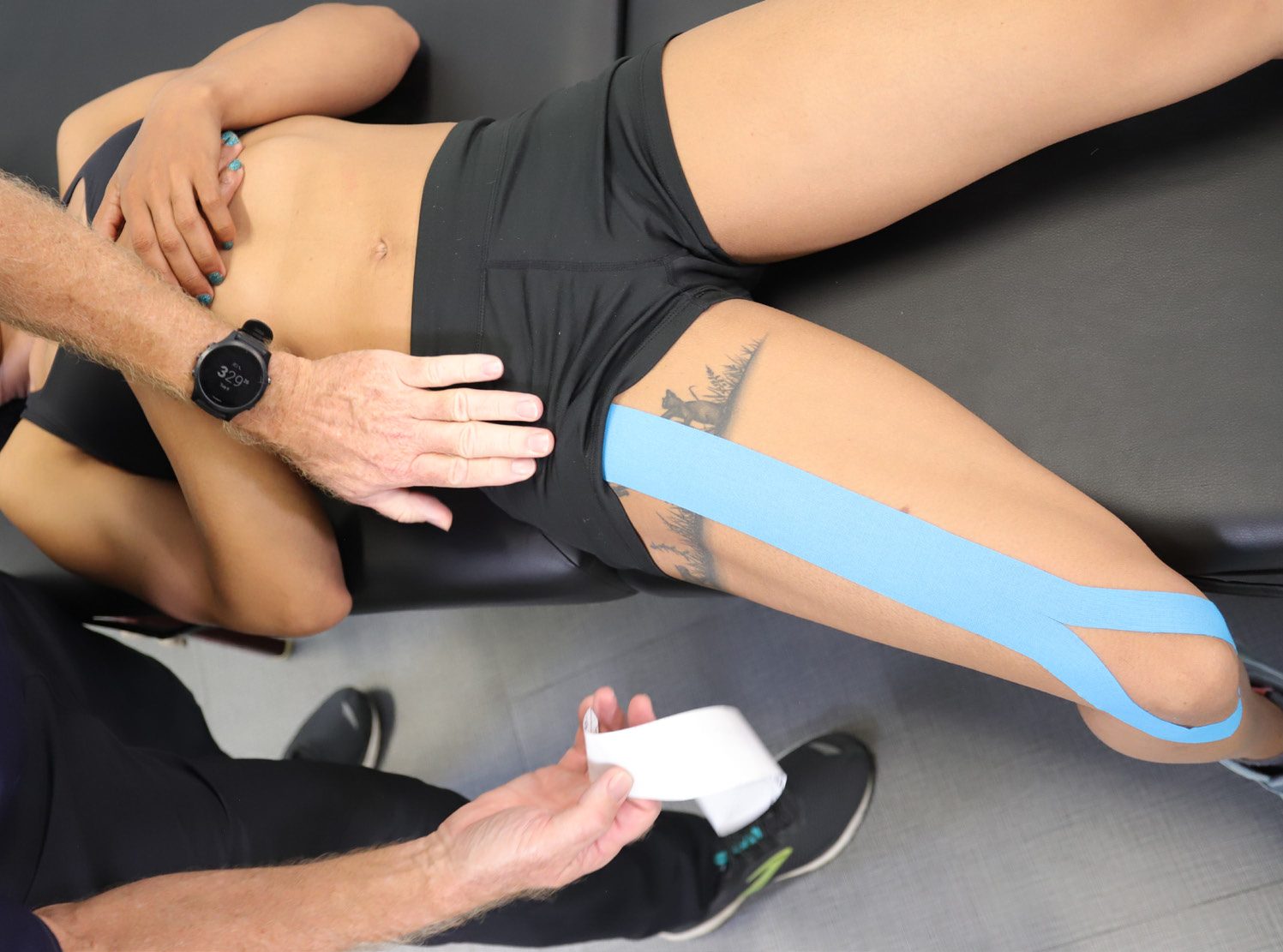
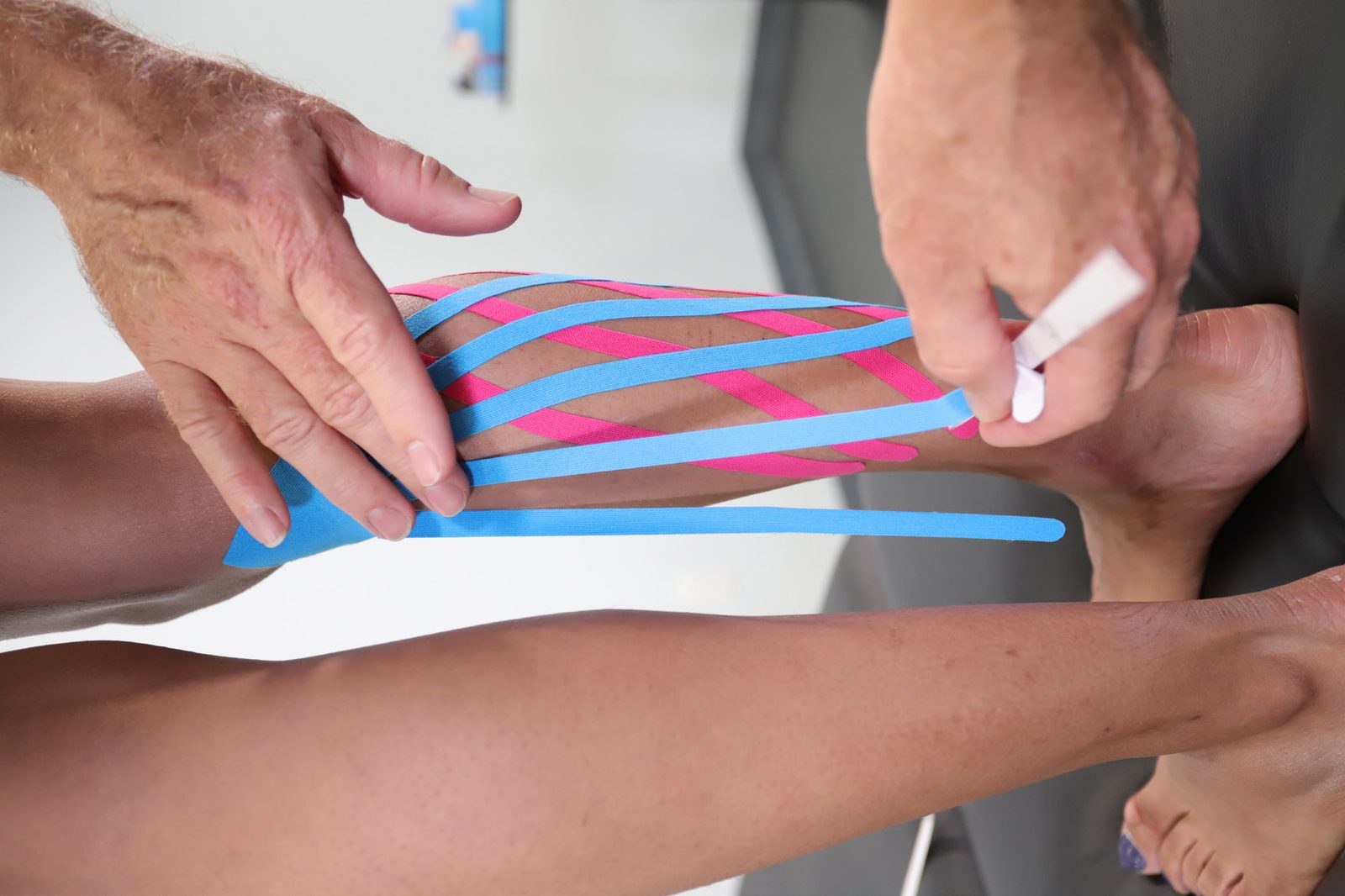
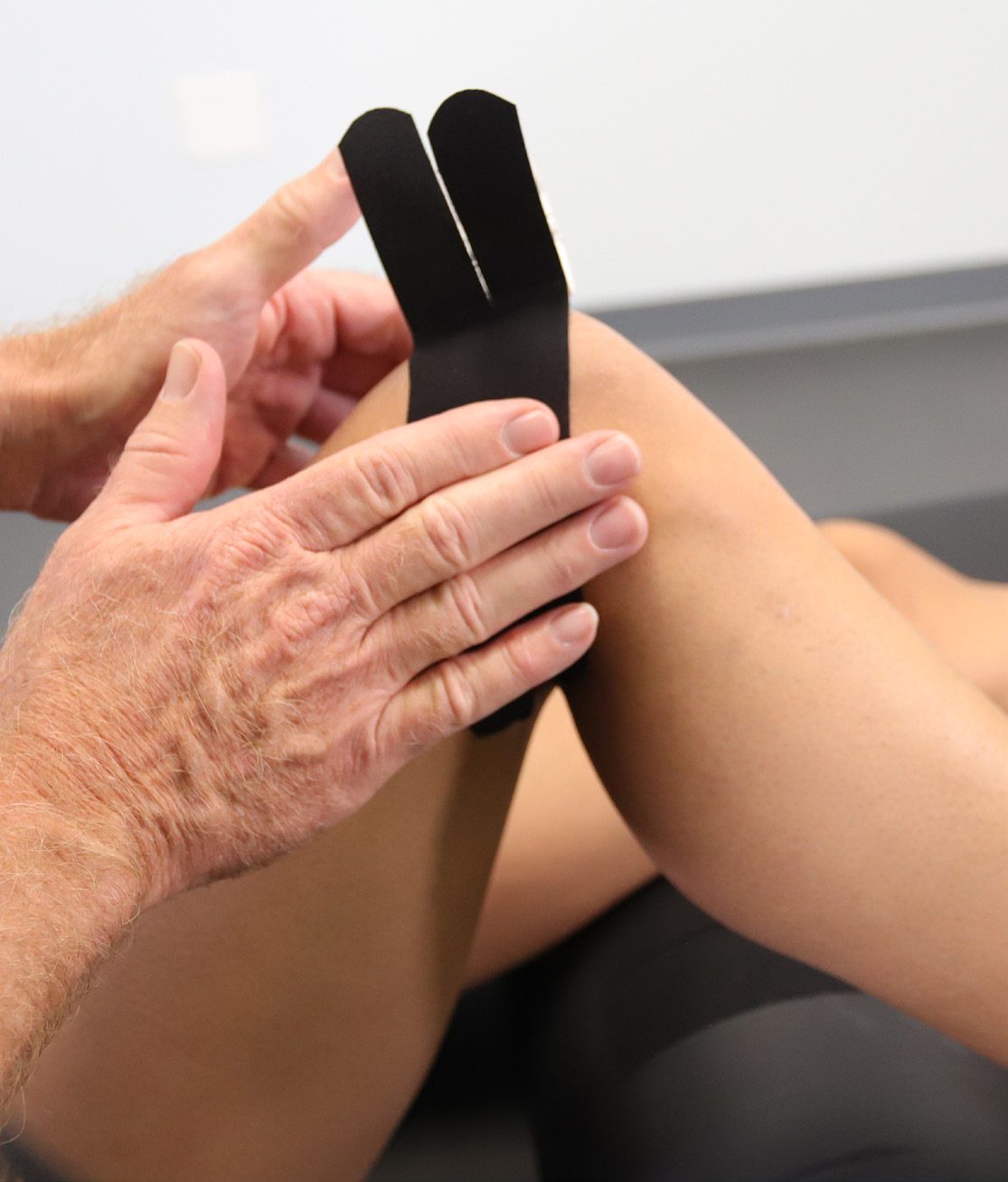
I, Y, X, Fan, Web, Donut Hole — every cut and tension range in the source material is mapped to a screening outcome.
Bring your clinic's taping protocol into one place.
Sign in to invite your team, run an evaluation, or review a patient's history.
Sign in to KT Auto